
OECD賃金動向と経済成長への影響 | 最新レポート
-

Wages since the crisis
-

Invest in education to beat recession
-

In Porto: OECD’s local economic development forum and The Future of Work
-

OECD survey: Risks that matter
-
Income inequality undermines growth
-
The Marshall Plan & OECD Explained in One Minute: Dates/History, Countries, Figures and Objectives
-

Why is the gender pay gap such a stubborn problem? What can we do?
-

Jobs outlook improving but unemployment still too high
-
Record Income Inequality: The Gap Between Rich and Poor Widens
-

Does open trade threaten jobs? With Molly Lesher
-

The mystery of stagnating wages. David Weil elucidates.
-

UK STATE PENSION the WORST in EUROPE? OECD Pensions at a Glance Report // UK Financial Planning
-
This crisis is Canada's REAL problem
-

Intellectual Property and Inequality in the Information Economy
-

The ‘Great Resignation’ has gone global – and it’s shaking up the labor market for good
-
![SMEs and the Missing Middle [PovertyCure Episode 2]](https://i.ytimg.com/vi/mqWPcCLG6Vk/hqdefault.jpg "SMEs and the Missing Middle [PovertyCure Episode 2]")
SMEs and the Missing Middle [PovertyCure Episode 2]
-
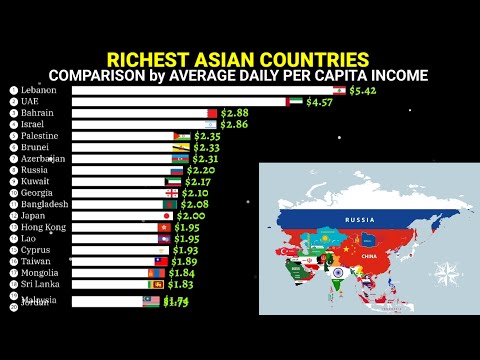
Richest Asian countries by per capita income daily
-

What is econometrics?
-

官製ワーキングプア、窓口で働いている公務員のほとんどが年収200万円以下の非正規!?
-

How Does the State Pension Compare To The Rest of Europe?
MOTS-CLÉS LIÉS
LIENS POPULAIRES
FOIRE AUX QUESTIONS
OECD賃金に関するよくある質問
経済危機以降の賃金はどのように変化しましたか?
OECDの報告によると、経済危機以降、多くの労働者の賃金はほとんど上昇せず、むしろ減少したケースも見られます。特に低スキル労働者や若年層でこの傾向が顕著です。
所得不平等は経済成長にどのような影響を与えますか?
OECDの研究では、所得不平等の拡大が経済成長を阻害することが明らかになっています。特に教育機会の不平等が経済的機会を制限し、長期的な成長を損なう要因となっています。
将来の労働市場において重要な対策は何ですか?
OECDは教育への投資が重要だと指摘しています。技術革新が進む中、高スキル労働者と低スキル労働者の格差が拡大しており、継続的な教育とスキルアップが経済的安定につながります。